“explain in detail” search results (300)

Fine Coffee Science explains the roasting stage table of coffee beans in detail.
Degree description stage description stage description special point description flavor and appearance description refers to baking until the end of the first burst. Light baking is rarely used and is generally used only for testing. Cinnamon roasting is widely used in some canned coffee. The firepower is difficult to reach the bean core, and it is easy to cause half-cooked condition, so
2014-11-19 Coffee knowledge boutique caffeine coffee roasting table
Boutique coffee science explains in detail how to choose coffee beans
Freshness is the life of coffee, how to determine the freshness of coffee beans? There are three steps: smell, see, and peel. Smell: put the coffee beans close to the nose and smell them deeply to see if you can clearly smell the aroma of the coffee beans. If so, the coffee beans are fresh enough. On the contrary, if the aroma is weak, or the greasy smell has begun to appear, the coffee beans are completely stale.
2014-10-29 Coffee knowledge boutique coffee science selection of coffee beans
Fine Coffee Science explains in detail the three native species of coffee
Coffee, we generally refer to the finished product: the coffee we drink, also refers to coffee beans. Coffee belongs to the evergreen shrub of the genus Coffee of Rubiaceae. Coffee has some medicinal effects, such as waking up the brain, strengthening the stomach, stopping bleeding, dissipating heat, strengthening the body, etc., hee hee, if anyone is blinded by love, have a cup of coffee to wake up! There are about 40 species of coffee plants, but they can produce commercially valuable
2014-11-13 Coffee knowledge boutique caffeine coffee native species
Boutique Coffee Science explains the varieties and characteristics of coffee in detail
Varieties of coffee cherries: Alabila species of Libiga species of Romda kinds of coffee beans: blue Mountains, Mocabas, Santos, Colombia, Mantra, Colombia, Mara Romsda Coffee is a small shrub growing in the tropical highlands, its fruit is red or yellow, and the seeds inside are what we call coffee beans. At present, coffee beans are grown in about 66 countries in the world, and among them
2014-10-17 Coffee knowledge boutique caffeine coffee varieties coffee characteristics
Introduction to the methods of coffee quality evaluation: the basic methods of coffee quality evaluation are explained in detail.
Pre-taste preparation: 1, it is best not to eat exciting food before tasting coffee, such as garlic, pepper, persimmon, etc., so as not to paralyze the taste buds and affect the sense of taste. Wash your hands and make sure there is no residual aroma of skin care products on your hands, so as not to confuse the aroma of coffee. 2. Prepare a glass of ice water, take a sip to awaken the taste buds before tasting coffee, and gargle before tasting different coffees. Tasting methods and
2015-12-17 Coffee quality tasting method introduction basic detailed explanation pre-taste preparation
Fine Coffee Science explains the picking of coffee beans in detail
After 3 or 4 years of growth, the coffee tree matures and begins to bear fruit, and one fruit will be arranged in clusters or clusters along the branches. Of course, the coffee beans we see are the seeds of coffee trees. The outside of the seed is a layer of peel, which can be picked as soon as it turns red. Under the red skin (exocarp) there is a layer of pulp (mesocarp), inside is a small thin layer, and then there is a layer of parchment
2014-10-29 Coffee knowledge boutique coffee science coffee bean picking
The general knowledge of fine coffee explains the roasting stage table of coffee beans in detail.
Degree description stage description stage description special point description flavor and appearance description refers to baking until the end of the first burst. Light baking is rarely used and is generally used only for testing. Cinnamon roasting is widely used in some canned coffee. The firepower is difficult to reach the bean core, and it is easy to cause half-cooked condition, so
2014-11-14 Coffee knowledge coffee common sense coffee beans coffee roasting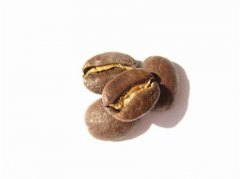
The processing process of coffee beans before grinding explains in detail the treatment of coffee fruits
First, peeling: the peel and most of the pulp are removed mechanically. Second, fermentation third, drying fourth, roasting: coffee raw beans can release the special aroma of coffee through roasting. Each coffee bean contains its aroma, sour taste, sweetness and bitterness. How to release it incisively and vividly depends on the heat of its baking, from the insipid raw beans to the aftertaste of the cup.
2015-05-15 Coffee beans grinding processing process detailed explanation coffee
The basic knowledge of Coffee explains the method of Coffee making in detail
Coffee roasting is the source of coffee flavor, roasting raw beans is called roasting, raw beans can not be drunk without baking, roasted coffee beans have determined 80% of the taste of coffee, the roasting process is very tricky, the fire is too strong, then the outer ripe endogenesis, the fire is too weak, then the inner ripe overcooked. Coffee beans are roasted internally and externally, and the key point is to control the heat. Coffee roasting concept roasting
2014-10-30 Coffee knowledge coffee basics coffee making
Fine Coffee Science explains the roasting of coffee beans in detail
When high-quality coffee beans are picked, the most important step in making them gourmet coffee is roasting and mixing. Professional coffee is generally roasted in small batches. The most common baking methods are drum baking and hot air baking. The drum roaster puts the coffee beans in a rotating vat and burns gas or wood to bake them. Hot air roaster, also
2014-10-29 Coffee knowledge boutique coffee science coffee roasting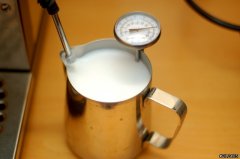
The Encyclopedia of Fine Coffee explains the meaning of latte in detail
The chemical composition of milk is protein, lipid, carbohydrate, inorganic, phospholipid, trace vitamins and so on. The formation of milk bubbles is due to the formation of a thin film on the surface when the milk is heated to more than 40 ℃. Just like we go to the convenience store to buy a bottle of fresh milk and heat it in the microwave, there will be a thin layer of fresh milk on the surface. That's milk protein.
2014-11-03 Coffee knowledge Coffee Encyclopedia Latte latte
Coffee consumption in rural areas is highly sought after. Experts explain in detail how to build self-built cafes and operate them.
Beijing, December 2 (Xinhua) according to China Rural Voice China, data show that tea has dominated the beverages sold through rural Taobao service stations across the country so far this year, winning by an overwhelming majority of 91.09%. Coffee currently accounts for only 8.76% of the market share. Interestingly, however, coffee consumption has grown by an average of about 52 per month in the last three months.
2015-12-02 Rural areas coffee consumption big warm sought after experts explain in detail how self-construction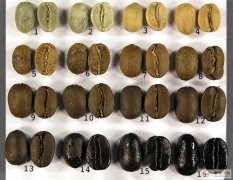
Fine Coffee Science explains the baking of coffee beans in detail
The raw coffee beans are fried to make the coffee beans show a unique coffee color, aroma and taste. The most important thing of frying and baking is to be able to stir-fry the inside and outside of the beans evenly without overscorching. 80% of the taste of coffee depends on roasting, which is the most important and basic condition for making good coffee. The basic principle of ● fried culture the most important thing is to be able to stir-fry the inside and outside of the beans evenly.
2014-11-04 Coffee knowledge boutique coffee science coffee bean roasting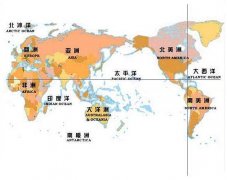
Cuban coffee beans explain the flavor of Crystal Mountain Coffee in detail
Cuba: Crystal Mountain Coffee flavor and taste characteristics: full of particles, uniform taste, the Republic of Cuba is located in the West Indies, has a detached and primitive natural environment, the beautiful Caribbean Sea and the world-famous Crystal Mountain Coffee. In 1748, coffee was introduced into Cuba from Domiga, and Cuba began to grow coffee ever since. The land in Cuba is fertile and the climate is humid.
2014-09-29 Coffee knowledge Cuban coffee Crystal Mountain coffee
The basic knowledge of coffee explains the taste of fine coffee in detail.
The color, aroma and taste of coffee are caused by some complex chemical changes that take place during the baking process. Therefore, raw beans must go through appropriate chemical procedures to achieve the most balanced state of its essential ingredients in order to be regarded as the best baked beans. The aroma of coffee varies with the heat, so the baking time should be shortened as much as possible, and the heat can be controlled at the level of coffee beans.
2014-12-12 Coffee basics common sense detailed explanation boutique taste coffee color aroma
Boutique Coffee Science explains the life of coffee beans in detail
Food has its shelf life, coffee beans generally have a shelf life of one year, but for those who pursue high-quality coffee, just quality is obviously not enough, so how long is the life cycle of coffee bean flavor? Is the coffee bean as fresh as possible? Friends who like red wine all know that good red wine needs to be opened an hour in advance to oxidize it, which will be more advantageous.
2014-11-20 Coffee knowledge boutique coffee science coffee beans
Coffee experts explain the six major coffee brewing methods in detail
1. Trickling filter: the structure of this trickling filter pot is very simple, there is only a conical container, much like a cup, the inner edge of the container must be covered with filter paper, put in coffee powder and soak in hot water. This method makes the hot water connect with the coffee powder once, and then fall into the cup, so it will only extract the substances that play a higher level, so you can brew the coffee with the least flavor and fragrance.
2014-07-14 Coffee knowledge coffee brewing coffee encyclopedia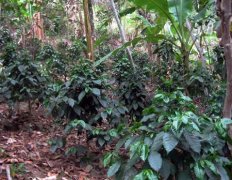
The general knowledge of fine coffee explains the production of coffee beans in detail.
Coffee trees take 3-5 years from planting to fruiting. 6-10 years of coffee trees are the most likely to bear fruit, about 15-20 years, is the harvest period. Coffee trees are usually bred in nurseries and grow into saplings, and then moved to coffee farms a year later, in full compliance with the way the Arabs planted and cultivated coffee trees. Coffee trees will continue to take root downward and upward in the first four or five years of their growth.
2014-11-12 Coffee knowledge coffee common sense coffee bean production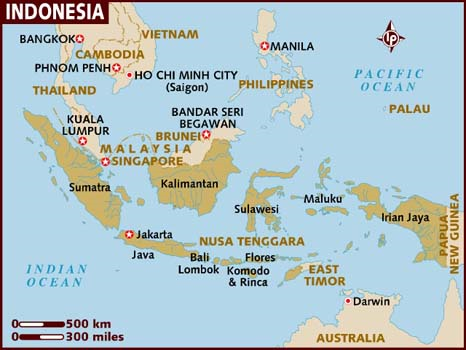
Explain in detail the main producing areas of Indonesian coffee-geographical knowledge
Photo 1: Indonesia is a country of thousands of islands. Coffee is produced on all the major islands, the most famous of which are Sumatra in Sumatra, Sulawisi in Sulawesi and Java in Java. (Bali,Flores,Timor produces coffee) figure 2: administrative map of Indonesian islands Sumatra: Sumatra Coffee Sumatra, formerly known as Jindao and Jinzhou
2015-11-21 Details explanation Indonesia coffee main producing areas geography knowledge
Basic knowledge of Coffee explains the extraction process of espresso with Picture and text
The picture and text explained in detail the extraction process of espresso in the ideal condition, and the baristas turned away from the control.
2015-07-30 Coffee Basics Common sense Picture and text interpretation espresso extraction process